How to Set a Wedding Budget — And Actually Stick to It
Planning a wedding is exciting, emotional, and let’s be honest — sometimes overwhelming. One of the very first (and most important!) steps in the planning process is setting a clear budget. Whether you’re dreaming of an intimate backyard celebration or a full-scale ballroom event, having a solid financial plan will guide every decision and keep the process far less stressful.
Here’s a breakdown of how to create a realistic wedding budget — and actually stick to it.
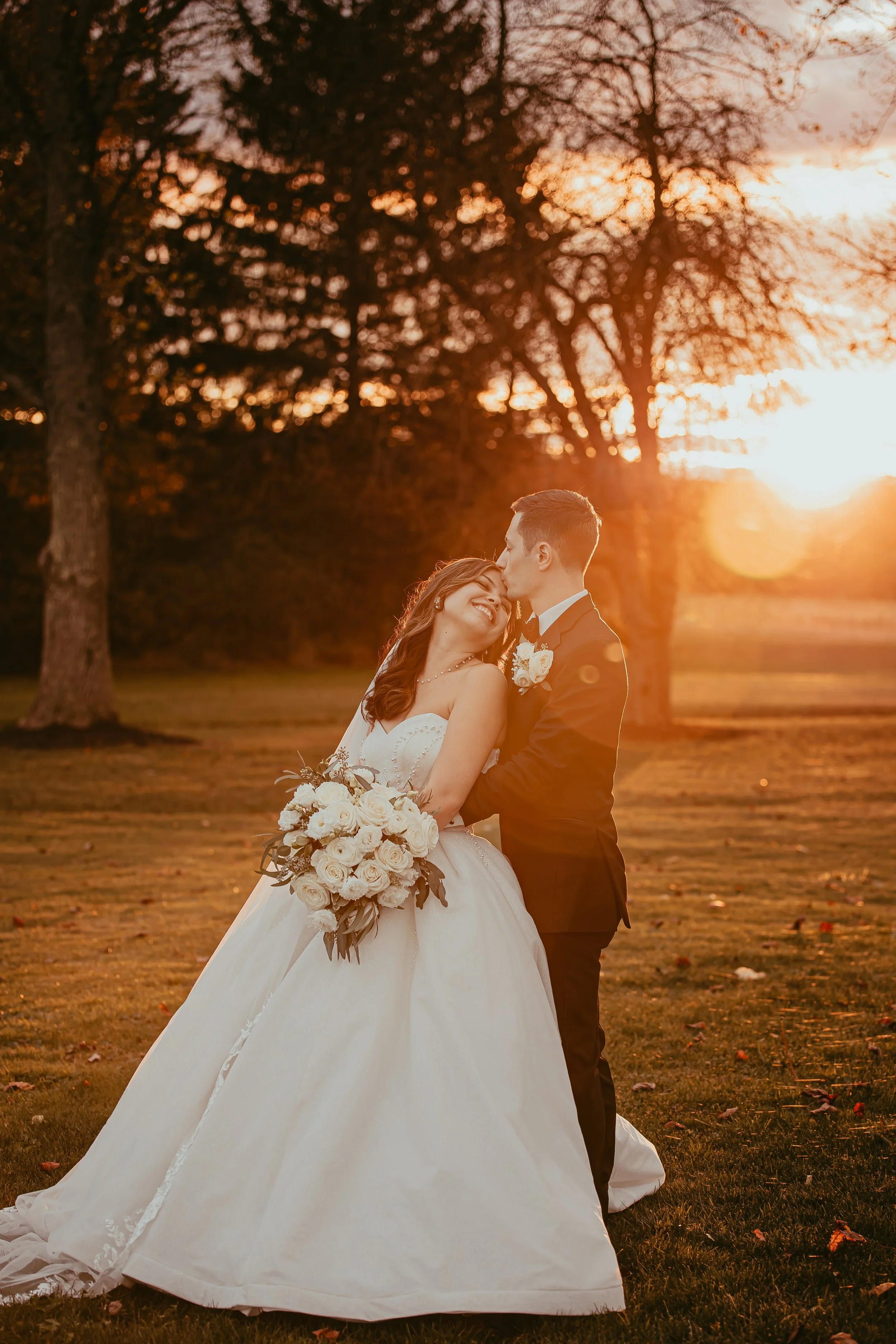
Photo Courtesy of Loved By You Photography
1. Start With a Real Number
Before diving into Pinterest boards and vendor quotes, determine the total amount of money available for your wedding. Consider:
Any personal savings you’re contributing
Help from family
A comfortable monthly savings plan leading up to the wedding
This is your starting number — not a wishlist, but what is truly feasible.
2. Identify Your Top Priorities
Decide together which elements matter most to you. For some, that’s photography. For others, it’s florals, the venue, or guest experience.
Pick 3–4 priorities and budget more generously for those categories. Then, allocate smaller amounts to the pieces that aren’t as important.
Example:
If photography and florals top your list, earmark 30–40% of your total budget toward them, and reduce spend on décor or extras.
3. Understand the “Big Three” Expenses
Across most weddings, your largest costs will be:
Venue
Catering
Photography/Videography
These often take up 50–60% of your entire budget. Knowing this upfront prevents sticker shock and helps you distribute funds more realistically.
4. Build a Category-by-Category Breakdown
Create a simple spreadsheet (or use a planning platform, THIS COMES WITH ALL OUR PLANNING PACKAGES!!) to divide your budget into categories such as:
Venue & Catering
Photography & Videography
Florals & Décor
Planning/Coordination
Attire & Beauty
Entertainment
Rentals
Transportation
Stationery
Miscellaneous & Emergency Fund
Give every category a dollar amount — not just a guess. This will keep spending intentional as you book vendors.
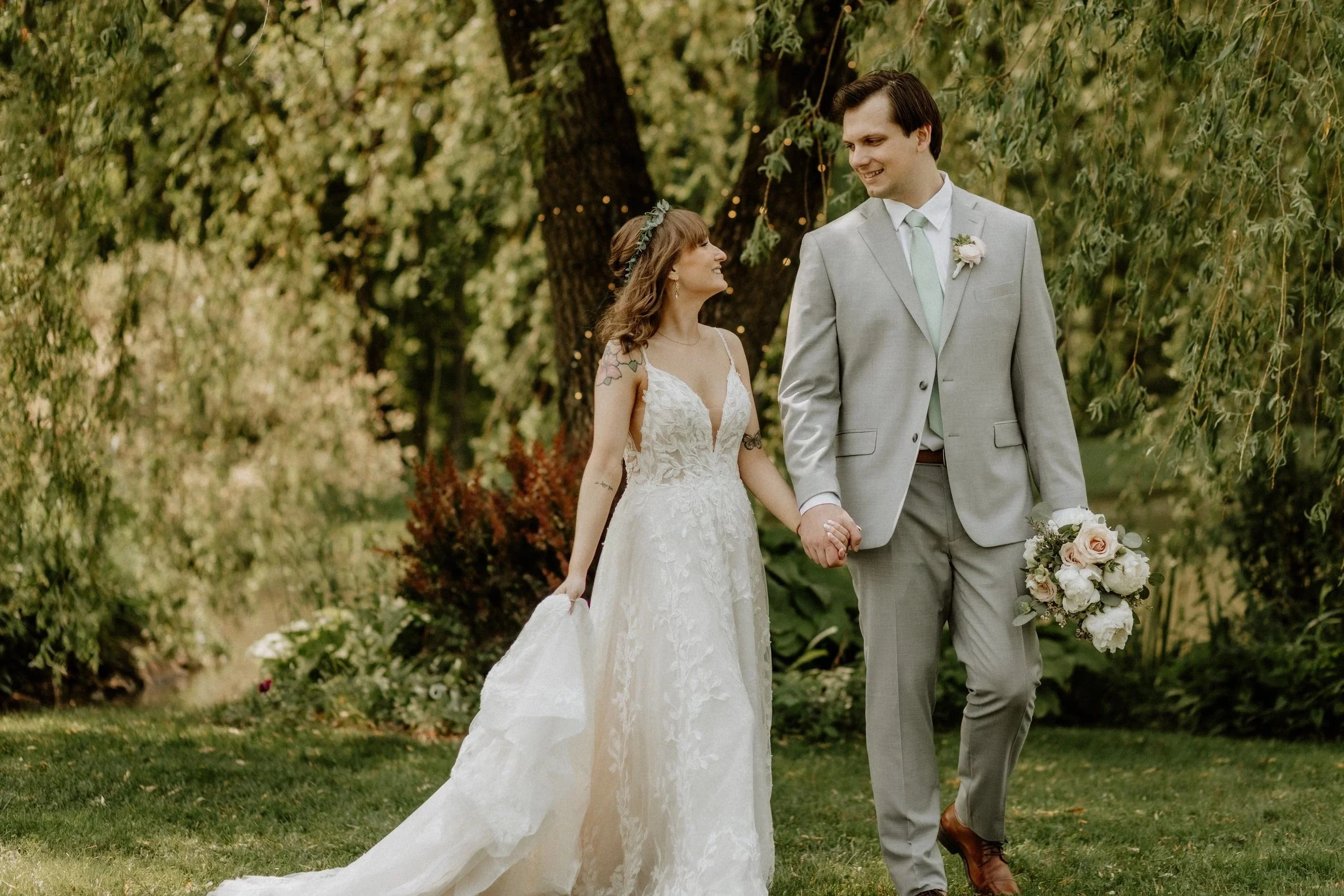
Photo Courtesy of Equilibrium Photos
5. Get Quotes Early
Prices vary widely between vendors and regions. Reach out early to get real numbers, not estimates you found on Google. Once you have quotes, compare them to your category budgets and adjust as needed.
Tip: If your dream vendor is slightly above budget but a top priority, it might be worth allocating more funds to that category and shifting elsewhere.
6. Track Every Payment
This is where couples tend to get off course.
Every time you sign a contract, make a payment, or adjust a service, update your budget tracker.
Include:
Deposit amounts
Payment schedules
Remaining balances
Add-ons or upgrades
Tips and final-week expenses
Keeping this updated is the secret to staying stress-free.
7. Build a 5–10% Cushion
Unexpected costs will come up — always.
Last-minute rentals, additional floral needs, extra transportation, service fees… they happen. Setting aside a small buffer keeps these surprise costs from causing panic.
8. Be Realistic With DIY
DIY can absolutely save money — but it can also lead to overspending if you’re not careful. Factor in:
Materials
Tools
Time
Transportation
Setup/tear down
And remember: some things are more expensive to DIY when you consider the full scope. Choose DIY projects wisely and only for items that truly matter to you. Your time is also valuble!
9. Revisit Your Budget Monthly
Schedules, quotes, and needs evolve as the wedding gets closer. Make it a habit to review your budget monthly to ensure you are still on track. Adjust where needed and communicate openly with your partner along the way.
10. Keep Perspective
Your wedding is a meaningful, beautiful day — but it shouldn’t create financial stress for your new marriage. A budget isn’t just about numbers; it’s about honoring your values, focusing on what matters most, and celebrating intentionally.
With a clear plan from the start, sticking to your budget becomes much simpler and your planning process becomes a whole lot more enjoyable.
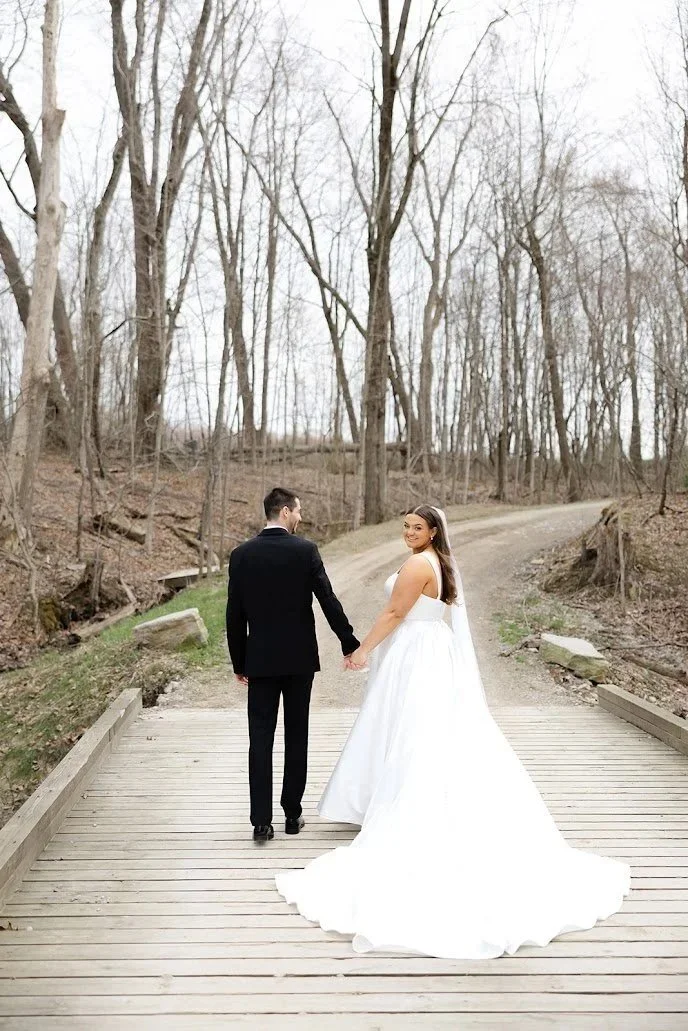
Photo Courtesy of Photos By Teenzy